Holding structures Ireland

Build a holding structure that works as hard as you do

Without a holding structure, your BV’s assets are exposed — and your tax bill is often heavier than it needs to be. Why leave property, IP, and investments sitting in the trading company when a cleaner structure can do the heavy lifting?

Asset shielding Ireland
Tax-efficient holding Ireland
Capital extraction with discipline

Structure blueprint

OpCo, HoldCo, and the flow of value

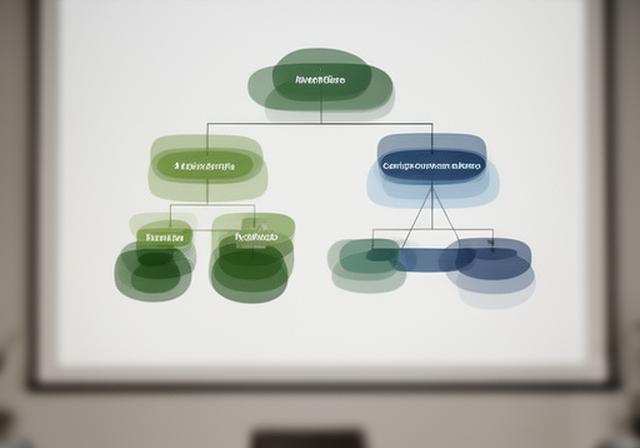
Layered holding company and operating company diagram on a desk beside a financial notebook

Built for protection

Separate the risky trading side from the valuable assets.

Built for movement

Dividends, exits, and succession can flow with far less friction.

Asset protection

Move high-value assets away from day-to-day trading risk. Could a supplier dispute or creditor claim touch them then?

Real-world scenario

A manufacturing business keeps the factory property in a separate company.

If the trade hits turbulence, the property doesn’t have to be dragged into the same fight.
Tax deferral

Well-structured dividends can move up cleanly, reducing leakage and keeping cash available for the next move.

Real-world scenario

Profits are retained in a holdco for reinvestment instead of being scattered too early.

That gives you room to fund expansion, acquisitions, or a measured exit.

Succession ease

Share transfers in a holding company can be neater than shifting a live trading operation. Less disruption, more control.

Real-world scenario

Family shareholders can receive different classes of shares.

That gives you room to plan income, voting rights, and long-term ownership separately.

Expansion-ready

A holdco can sit above overseas subsidiaries and investment activity without making the group messy. Why box yourself in?

Real-world scenario

A Dublin founder creates a clean platform before opening a UK or EU subsidiary.

That keeps the group legible for banks, investors, and future buyers.

Why you need a holding BV

A structure should protect value, not trap it

We design holding structures for BV directors in Dublin, Meath, and Galway who want practical protection and a cleaner tax path. If the goal is to optimise tax and keep options open, why leave the structure half-finished?

40%

Combined tax leakage can be reduced by up to 40% in the right structure.

100%

Every structure is checked for Irish GAAP and Revenue compliance.

17

Years of founder and director advisory thinking, distilled into one plan.

Ongoing

Governance and dividend policy support stays with you after implementation.

Tax efficiency

Keep dividends, gains, and retained profits working in the right company. It sounds simple, because it should be.

Compliance first

No guesswork, no casual shortcuts. We build with governance, paperwork, and audit-readiness in mind.

Common holding structures for Irish BVs

Which structure actually fits your business?

Different groups need different shapes. A one-person DGA, a family enterprise, and a founder building across borders all have different pressure points.

Simple Top-Co

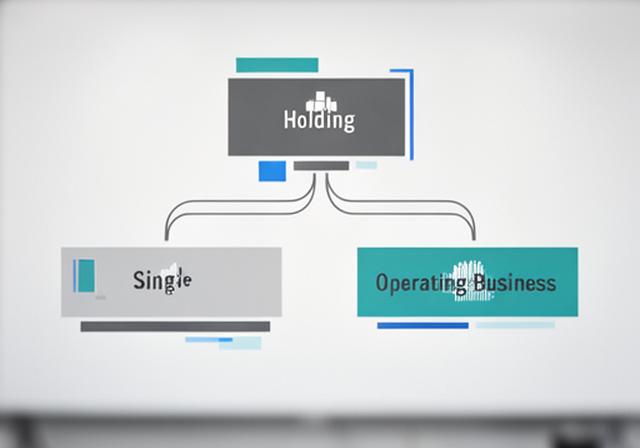
One holding company sits above a trading BV. It’s the cleanest starting point when you want asset separation without over-engineering the group.

  • Clear dividend flow
  • Better protection for investments
  • Easy to explain to banks and advisers
Simple top company structure chart showing a holding company above one trading business

Family Holding Co

Share classes can help you shape income rights, voting control, and succession planning without forcing an all-or-nothing handover.

  • Useful for next-generation planning
  • Helps separate control from entitlement
  • Supports gradual transfer of ownership
Family shareholding diagram on a meeting room screen with layered ownership lines

Hybrid Holding

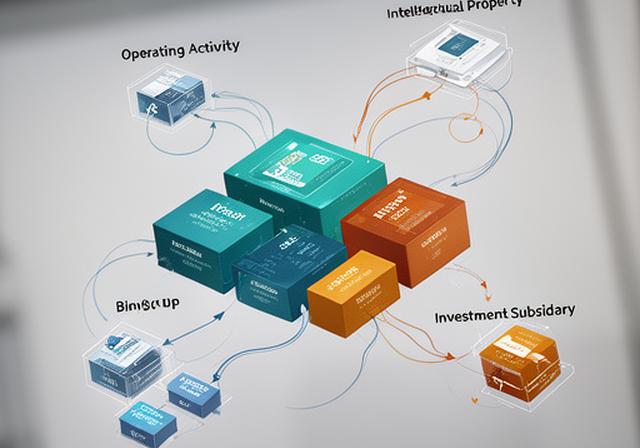
This combines operating companies, investment assets, and IP in a way that suits founders who are building both trading income and long-term value.

  • Supports licence and royalty planning
  • Useful where investment and trade sit together
  • Balances flexibility with discipline
Hybrid corporate structure illustration linking operating company, intellectual property, and investment subsidiary

International Holding

When the group crosses borders, the structure has to make sense for foreign subsidiaries, funding, and local tax rules. Otherwise, it turns noisy fast.

  • Designed for foreign expansion
  • Can support UK or EU subsidiaries
  • Builds a cleaner base for future buyers
International business group chart showing a holding company connected to overseas subsidiaries

Case study

Meath manufacturer shields €2M of real estate

The owner held the factory property personally, which left a huge asset exposed to trading creditors. Why carry that risk if you don’t have to?

Before

Property sat in the individual’s name. Trading risk and family wealth were mixed together.

After

A new holding BV owned the property and leased it back to the trading company.

Rent became tax-deductible for the OpCo
Holding BV received dividends tax-efficiently
The property stopped sitting in the firing line

Your restructuring roadmap

A practical process, not a black box

We keep the work structured, documented, and commercially sane. No theatrics. No endless detours.

1. Feasibility

We start with a tax impact analysis and a commercial review. What are you protecting, and what are you actually trying to achieve?

2. Formation

New entities, share classes, or holding mechanics are set up with the right documents in place from day one.

3. Transfers

Asset transfers and stamp duty planning are handled carefully so the move doesn’t create avoidable friction.

4. Ongoing control

Compliance, dividend policy, and governance are monitored. A structure only works if it keeps working.

Holding structure questions

Straight answers, without the jargon

Will Revenue challenge a new holding structure?

If the structure has a real commercial purpose, clear documents, and proper governance, the risk drops sharply. We design with that in mind from the outset.

How much does a holding BV cost to set up?

Costs depend on complexity, transfer work, and whether you need share classes or cross-border planning. A simple structure is far cheaper than fixing a bad one later.

Can I still access cash quickly after restructuring?

Usually, yes — but the route changes. Dividend policy, reserves, and personal extraction planning need to be considered together.

Is a holding structure right for a one-person DGA?

Very often, yes. A solo director can still benefit from asset shielding, cleaner dividends, and a better succession position.

Blueprint your holding structure

Book a 90-minute structure design workshop

Bring your current shareholding, asset map, and cash extraction questions. We’ll map the options, challenge the weak points, and show you what a cleaner structure could look like. Ready to stop guessing?

Contact

Stillorgan Road, Dublin, D04 E1X8, IE
+353822378939